
About the
Project

Welcome to the Deepfakes Tracker research portal, a public-facing research hub that tracks and contextualizes the evolving use of deepfakes and synthetic media online developed by the Social Media Lab at Toronto Metropolitan University. The portal is designed to serve as a resource for policymakers, researchers, journalists, the public, and other stakeholders to learn more about the prevalence of deepfakes and manipulated or out-of-context media and narratives in our information ecosystem. Deepfakes are synthetic media, including text, image, audio, and video, that have been manipulated or altered deceptively using Artificial Intelligence (AI) tools and techniques. The term “deepfake” combines “deep learning”—the AI technology behind these creations—and “fake,” reflecting the artificial nature of the depicted events or individuals.

Deepfakes: A Threat to Democracy

The rapid advancement of AI-driven technologies has brought unprecedented challenges to the political stability of democratic societies. Audio and visual deepfakes that can convincingly mimic real people have been used to spread disinformation, distort political discourse, and sow confusion during elections and major events. The potential for deepfakes to erode trust in legitimate news sources, political figures, and democratic institutions is profound, further complicating an already contentious information ecosystem.

As bad actors increasingly turn to deepfakes to manipulate public opinion, projects like DeepfakesTracker.org are critical in raising public awareness and building resiliency. By providing a centralized platform to monitor and analyze deepfakes, the site helps users stay informed about this growing threat and builds resilience against disinformation. Its educational resources and real-time tracking not only inform the public but also empower journalists and civic leaders to identify and counter digital deception more effectively.

How DeepfakesTracker.org Can Help

In addition to tracking deepfakes and providing insights on how they are linked semantically, DeepfakesTracker.org aims to foster a more informed and vigilant society that is more resilient to disinformation by offering valuable educational resources, such as an FAQ section and interactive games, designed to improve digital literacy. By making these resources widely accessible, the portal encourages critical thinking and proactive measures in identifying and reporting harmful content, ultimately helping to protect democratic processes from manipulation.

About the
Research Team

The Deepfakes Tracker Research Portal and its various components are developed and maintained by the Social Media Lab at the Ted Rogers School of Management, Toronto Metropolitan University. The portal is the latest initiative in our ongoing research on the spread of mis- and disinformation.

Media Inquiries & General Questions

Our researchers are available to comment on issues involving deepfakes, misinformation, disinformation, and other social media-related news stories.

The best way for journalists to contact us is via email.

For all media inquiries, please contact Philip Mai, Co-Director of the Social Media Lab at [email protected]. 

Philip Mai - Project Lead

Executive Director and Senior Researcher, Social Media Lab
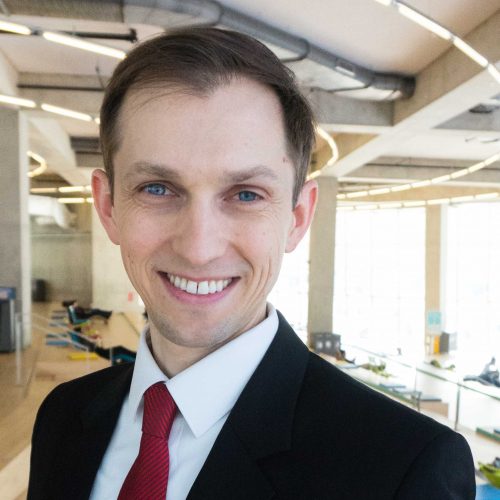
Anatoliy Gruzd - Dashboard Development

Professor and Canada Research Chair, Director of Research, Social Media Lab
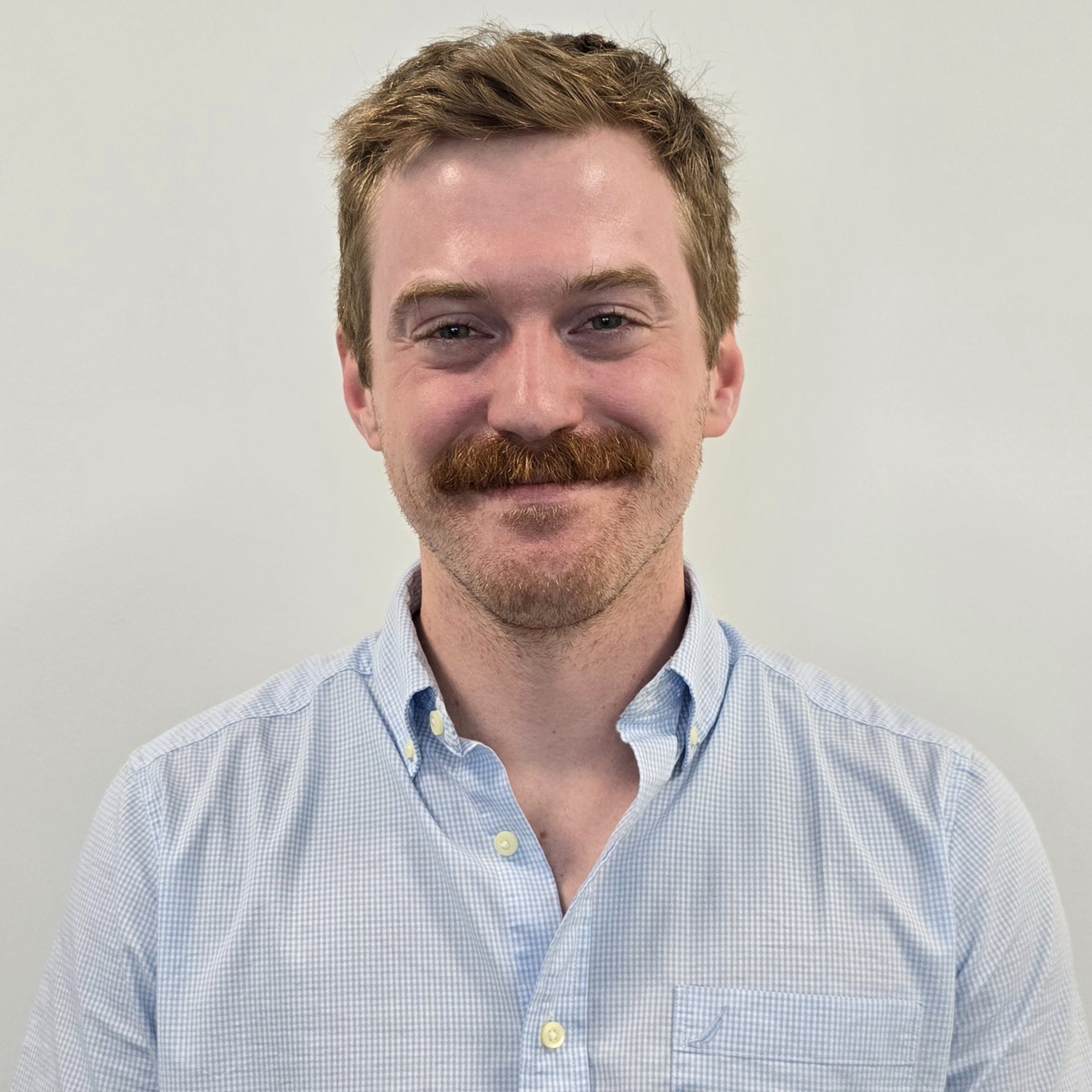
Anthony Clements - Data Curation and Copyediting

Research Associate, Social Media Lab

Ricky Yu - Detection Tools Development and Testing

Software Developer and Data Scientist, Social Media Lab

Alyssa Tan - Graphic Design

Research Assistant, Social Media Lab

Toral Pandya - Graphic Design

Research Assistant, Social Media Lab
Data Source &
Disclaimers

The data for the Deepfakes Tracker Dashboard and the Deepfakes Themes Explorer comes from the Google Fact Check Tools API  and is collected using a custom script developed by the Lab. Once collected, we process the data via Communalytic’s Topic Analyzer Module before displaying the data using Google’s Looker Studio and Flourish.

The Social Media Lab has no control over the contents of third-party websites mentioned on our website and accepts no responsibility for them or for any loss or damage that may arise from your use of them. Links to third-party websites are provided solely for your convenience and are in no way an endorsement by the Social Media Lab. If you decide to access any third-party websites shared on this website, you do so entirely at your own risk and subject to the terms and conditions of use for such websites.

In preparing this website, the Social Media Lab team utilized various Artificial Intelligence tools, including, but not limited to, Grammarly, Co-pilot, Adobe Firefly, and ChatGPT to assist in content ideation, drafting, proofreading, and refinement. Our team employs these AI services to enhance the clarity, visual appeal, and effectiveness of our project. After using these tools, the team reviewed and edited the content as needed to ensure that it aligned with our intended goals.